Coronavirus disease (COVID-19) is an infectious disease caused by a newly discovered coronavirus.
Most people infected with the COVID-19 virus will experience mild to moderate respiratory illness and recover without requiring special treatment. Older people, and those with underlying medical problems like cardiovascular disease, diabetes, chronic respiratory disease, and cancer are more likely to develop serious illness.
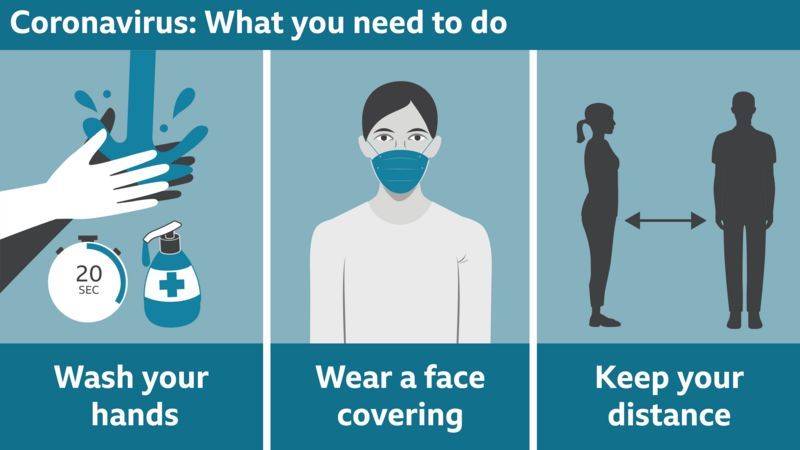
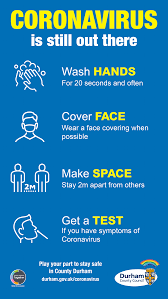
The best way to prevent and slow down transmission is to be well informed about the COVID-19 virus, the disease it causes and how it spreads. Protect yourself and others from infection by washing your hands or using an alcohol based rub frequently and not touching your face.
The COVID-19 virus spreads primarily through droplets of saliva or discharge from the nose when an infected person coughs or sneezes, so it’s important that you also practice respiratory etiquette (for example, by coughing into a flexed elbow).
We are building a better, healthier future for people all over the world. Working with 194 Member States, across six regions, and from more than 150 offices, WHO staff are united in a shared commitment to achieve better health for everyone, everywhere Together we strive to combat diseases – communicable diseases like influenza and HIV, and noncommunicable diseases like cancer and heart disease. We help mothers and children survive and thrive so they can look forward to a healthy old age. We ensure the safety of the air people breathe, the food they eat, the water they drink – and the medicines and vaccines they need.
COVID-19 is a disease caused by SARS-CoV-2 that can trigger what doctors call a respiratory tract infection. It can affect your upper respiratory tract (sinuses, nose, and throat) or lower respiratory tract (windpipe and lungs).
It spreads the same way other coronaviruses do, mainly through person-to-person contact. Infections range from mild to deadly.
SARS-CoV-2 is one of seven types of coronavirus, including the ones that cause severe diseases like Middle East respiratory syndrome (MERS) and sudden acute respiratory syndrome (SARS). The other coronaviruses cause most of the colds that affect us during the year but aren’t a serious threat for otherwise healthy people.
An early Chinese study of 103 COVID-19 cases found two strains, which they named L and S. The S type is older, but the L type was more common in early stages of the outbreak. They think one may cause more cases of the disease than the other, but they’re still working on what it all means.
It is also normal for a virus to change, or mutate, as it infects people and this virus has done so. There are several variants which have been named for the regions they were first discovered but they have now spread to other areas and countries.